
Implementing Group-Based Lifestyle Medicine: The Role of the Healthcare Practitioner in Feasibility and Effectiveness

March 6, 2026

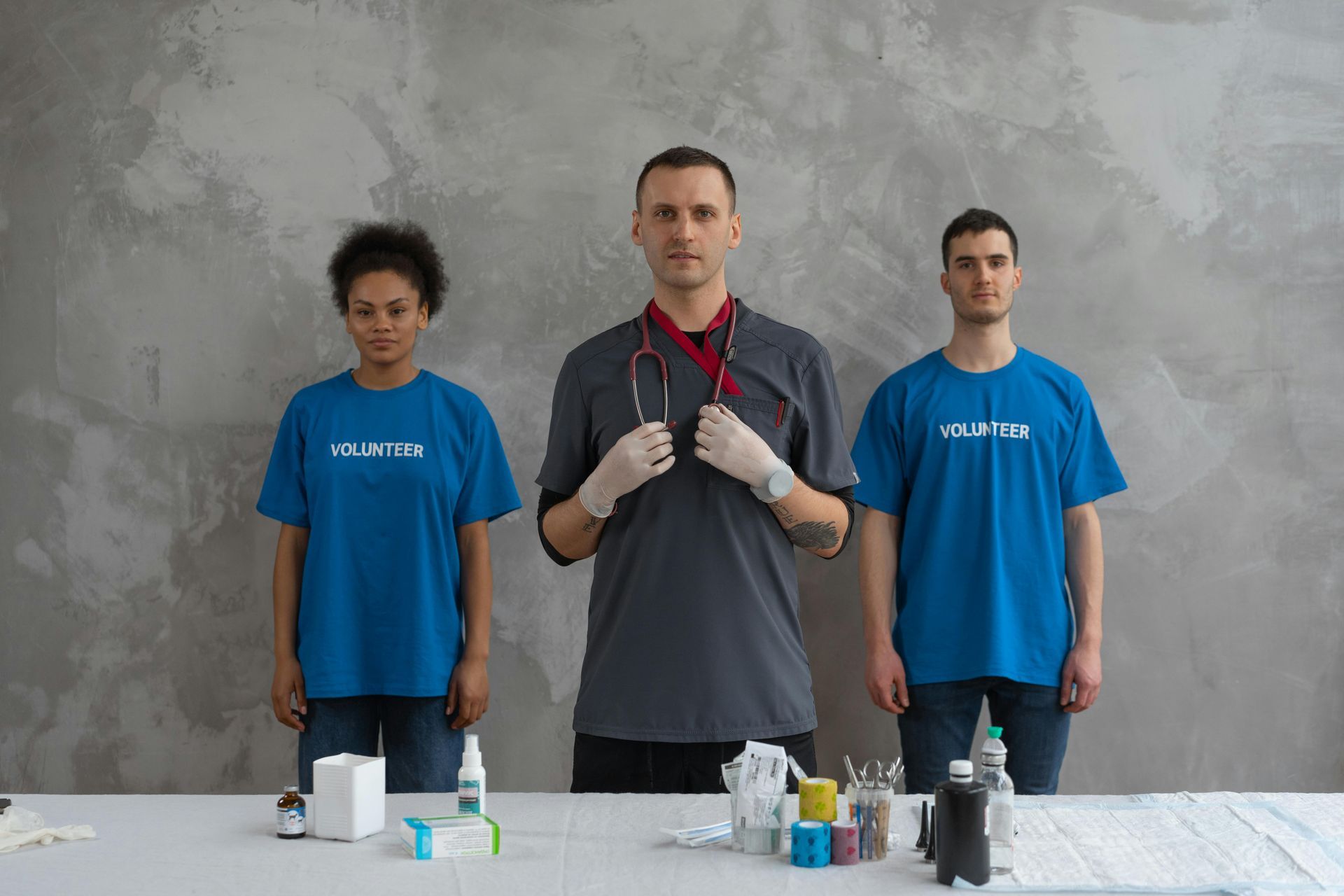
Group-based lifestyle medicine programs present a promising path to preventing and managing chronic diseases and supporting patient wellbeing. Establishing effective implementation strategies can enhance the scalability of comprehensive lifestyle medicine programs in practice. This convergent mixed methods study aimed to investigate the role of the program deliverer in the feasibility and effectiveness of a group-based program: PAVING the Path to Wellness. Semi-structured qualitative interviews were used to explore differences in perceived feasibility between physician and non-physician practitioners (e.g., allied health professionals) trained to deliver the program. Mixed linear models assessed differences in program effectiveness by type of healthcare practitioner (physician and non-physician practitioner) using the Lifestyle Medicine Health Behavior scale as a pre-/post-measure of self-reported health behaviors (nutrition, physical activity, sleep, social connection, stress, and avoidance of risky substances). Qualitative results supported that the PAVING program was feasible to implement, but that overall feasibility was greatly influenced by billing capabilities and practitioner experience. Quantitative results revealed that the program’s impact differed significantly based on the type of healthcare practitioner; participants in non-physician-led groups saw more improvement in health behaviors following the program. Data integration revealed that training and experience in lifestyle medicine and administrative infrastructure (e.g., billing, recruitment) are crucial to program effectiveness. This study has important implications for practice, including the need to scale practice-based training, promote policies for reimbursing preventive care, and build the administrative infrastructure required to support lifestyle medicine group visits.

By Dr. Beth Frates • March 6, 2026
Why lifestyle medicine practitioners must weigh the intensity of their interventions against the intensity of each patient's response.
By Dr. Beth Frates • March 6, 2026
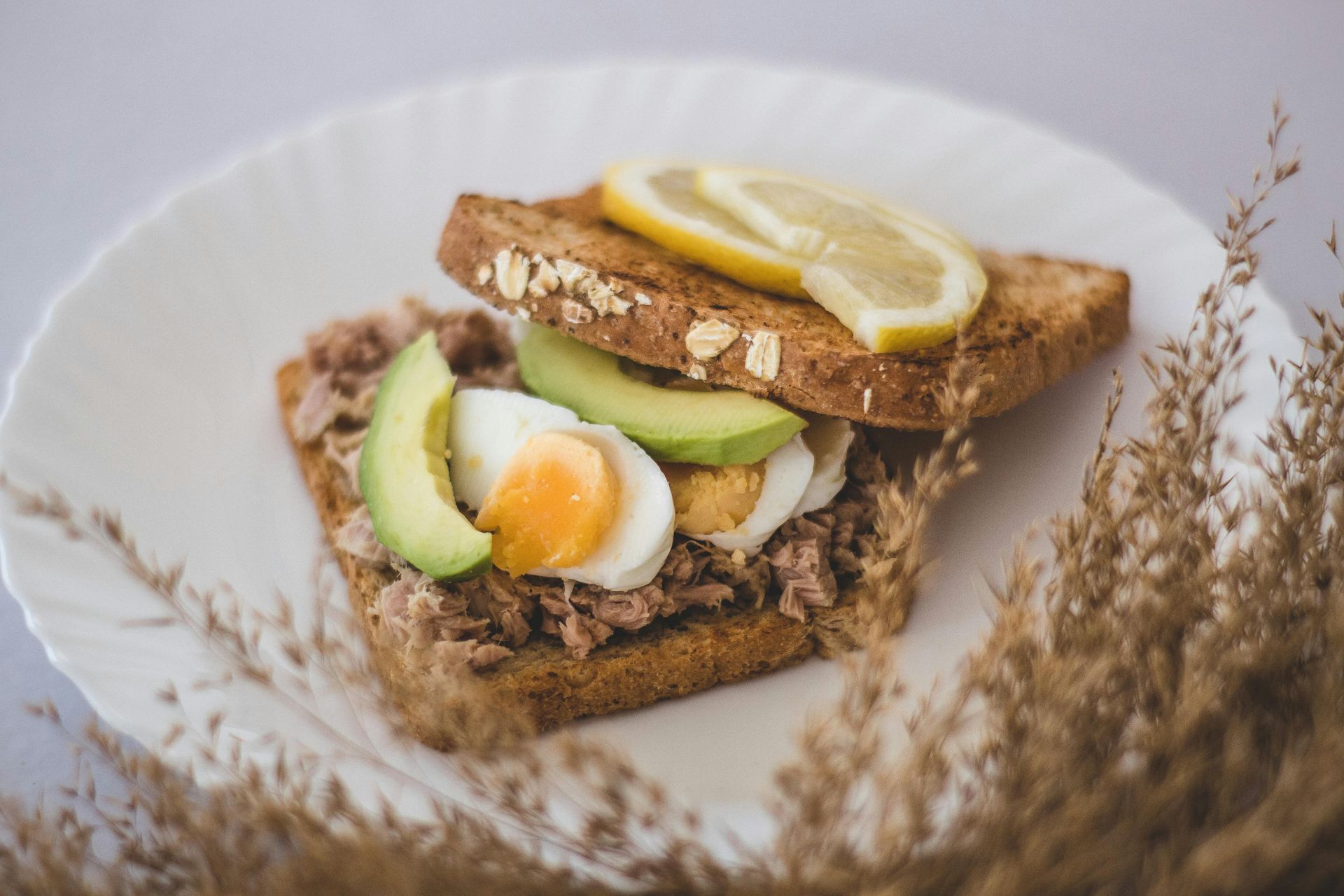
A review of recent literature on nutrition and behavior change, with takeaways for clinicians counseling patients on healthy eating.

Woman in white lab coat holds a red notebook in a bright laboratory with colleagues in the background
By Dr. Beth Frates • March 6, 2026
How the WholeheartedMD program helps medical students embrace vulnerability and find fulfillment, with lessons for medical educators.
Show More
By Dr. Beth Frates • March 6, 2026
Why lifestyle medicine practitioners must weigh the intensity of their interventions against the intensity of each patient's response.
By Dr. Beth Frates • March 6, 2026
A review of recent literature on nutrition and behavior change, with takeaways for clinicians counseling patients on healthy eating.
Woman in white lab coat holds a red notebook in a bright laboratory with colleagues in the background
By Dr. Beth Frates • March 6, 2026
How the WholeheartedMD program helps medical students embrace vulnerability and find fulfillment, with lessons for medical educators.
Show More

Share this article