



Purpose of review: The current article will highlight recent trends and novel approaches to behavior change strategies in nutrition. Physicians, nurses, and other healthcare professionals play key roles in counseling patients on lifestyle change, which is critical for patients with chronic conditions. Nutrition science continues to advance, and new approaches to behavior change are needed for successful implementation at the individual and population level. Recent findings: The solutions to obstacles around healthful eating patterns are varied, population-dependent, and require a multipronged approach. One area of focus is the language around behavior change, ensuring it is clear and emphasizes its multifactorial nature. For young adults, the careful use of video games and social media may be essential. For older adults, altering food consistency and ensuring proper nutrient intake are crucial factors. Vulnerable populations remain susceptible to malnutrition and need special attention. Despite significant advances in managing and treating diseases, there are still gaps in nutrition counseling and behavior change efforts. Summary: Every age and stage of life needs a focus on healthful foods, and nutrition counseling at each stage has its unique nuances. Careful attention to the language of change and the phrasing used in counseling is vital for educating, connecting with, and empowering patients to change. Changing healthcare operations and provider behavior around nutrition counseling is a part of the solution to the worldwide problem of unhealthy eating patterns and practices.

With rates of obesity and diabetes rising worldwide, effective ways of managing weight are becoming more important. We present the case study of a middle-aged Caucasian-American woman (body mass index (BMI) 27.8, overweight category) who wanted to lose weight. The patient participated in a behaviour modification programme with a physician trained in lifestyle medicine as well as health and wellness coaching. After the 14-week programme, which included 9, 1 h long walking sessions with the clinician, the patient lost 11 Ibs (BMI 24.7, normal category). The programme included a combination of increasing physical activity, eating appropriate quantities of healthy foods, goal setting and a positive attitude. The patient has kept her BMI at or below 24.1 for over 2 years. This case demonstrates a novel approach to weight loss management—walking therapeutic sessions—and also outlines critical components of lifestyle medicine counselling that facilitate the process of sustainable weight loss and lasting change.

As the number of people living with chronic diseases climbs upward, novel methods to address the root causes of these disease are necessary to transform the state of our nation’s health and our health care system. Interventions directed at making lasting lifestyle changes can have a major impact on the overall health of patients. In this pilot study, 4 obese patients, with unhealthy habits and abnormal blood profiles and biometrics, were able to significantly improve their lifestyles and their lab values with the 3-month intervention of a lifestyle medicine team, including a physician trained in lifestyle medicine, a certified wellness coach, a licensed nutrition specialist, a physical therapist, and a licensed mental health professional. Two patients had type 2 diabetes, and all 4 were hypertensive (blood pressure > 120/80 mm Hg). After the intervention, all improved their nutrition and increased their physical activity. In addition, all experienced improvements in lipid counts, blood pressure, weight loss, and cholesterol. The diabetic patients’ levels of hemoglobin A1C dropped to normal. These successes show the benefits of a lifestyle medicine team approach.

Behavior modification is vital to the prevention or amelioration of lifestyle-related disease. Health and wellness coaching is emerging as a powerful intervention to help patients initiate and maintain sustainable change that can be critical to physiatry practice. The coach approach delivers a patient-centered collaborative partnership to create an engaging and realistic individualized plan. The coaching process builds the psychologic skills needed to support lasting change, including mindfulness, self-awareness, self-motivation, resilience, optimism, and self-efficacy. Preliminary studies indicate that health and wellness coaching is a useful and potentially important adjunct to usual care for managing hyperlipidemia, diabetes, cancer pain, cancer survival, asthma, weight loss, and increasing physical activity. Physiatrists can benefit from the insights of coaching to promote effective collaboration, negotiation, and motivation to encourage patients to take responsibility for their recovery and their future wellness by adopting healthy lifestyles.
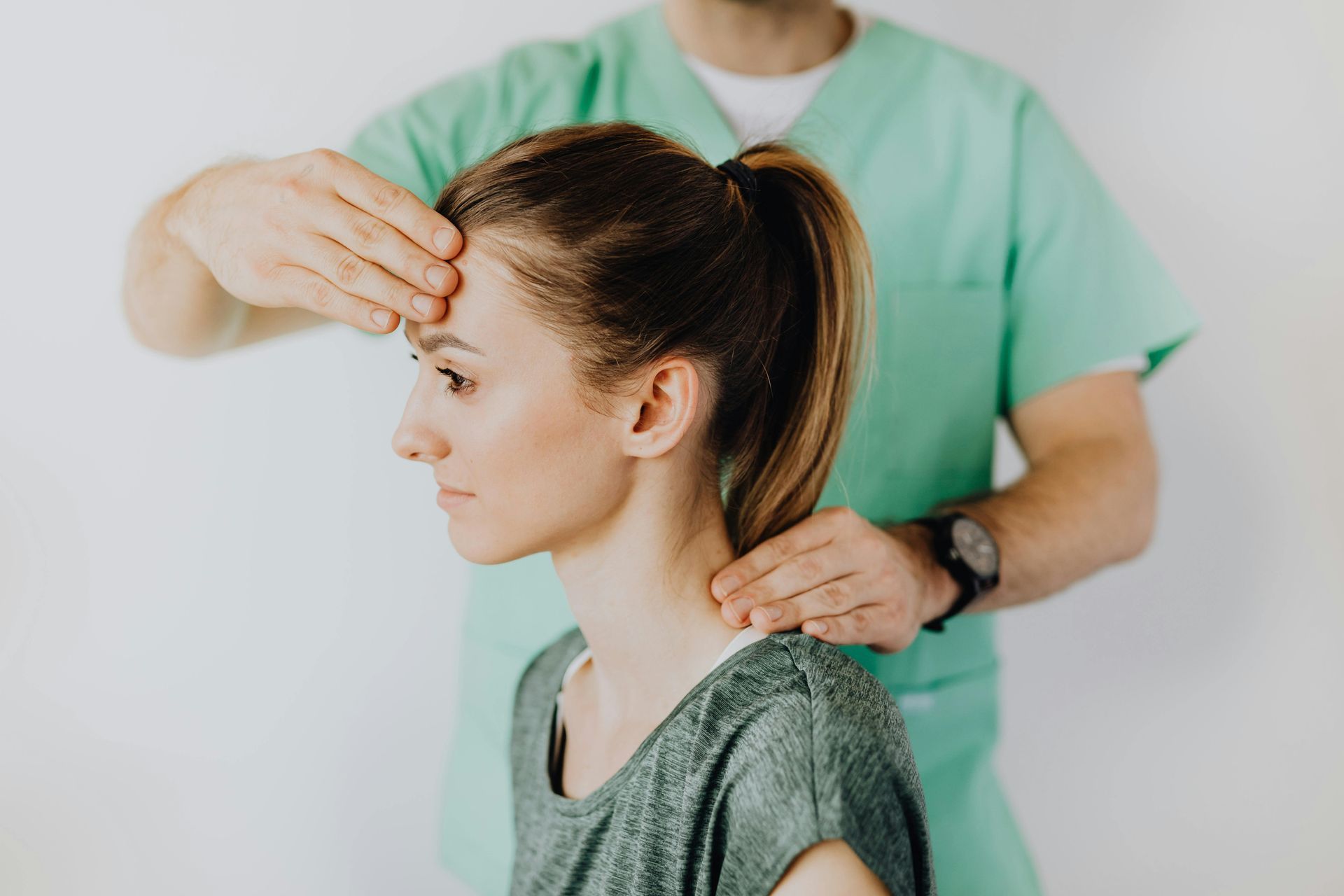
Counseling patients on behavior change is an important skill that traditional medical training does not emphasize. Most practitioners are trained in the expert approach to handle problems, which is useful in the acute care setting. However, in the case of chronic disease, a coach approach is more effective. This approach allows the patient to reflect on his or her own motivators for change as well as obstacles hindering the change. Changing from the expert approach to the coach approach is contingent on the lifestyle medicine practitioner sharing information when the patient is ready to receive it, listening mindfully, asking open-ended questions, treating problems as opportunities to learn and grow, and encouraging patients to take responsibility for their actions. By collaborating with the patient, the practitioner can guide patients to find solutions to the problems they are facing and foster an environment that leads patients to self-discovery, accepting responsibility for their behaviors, and ultimately, achieving goals that result in healthier daily habits. As a framework and a guide, lifestyle medicine practitioners can use a 5-step cycle of collaboration and a ladder of behavior change when working with patients on behavior change.