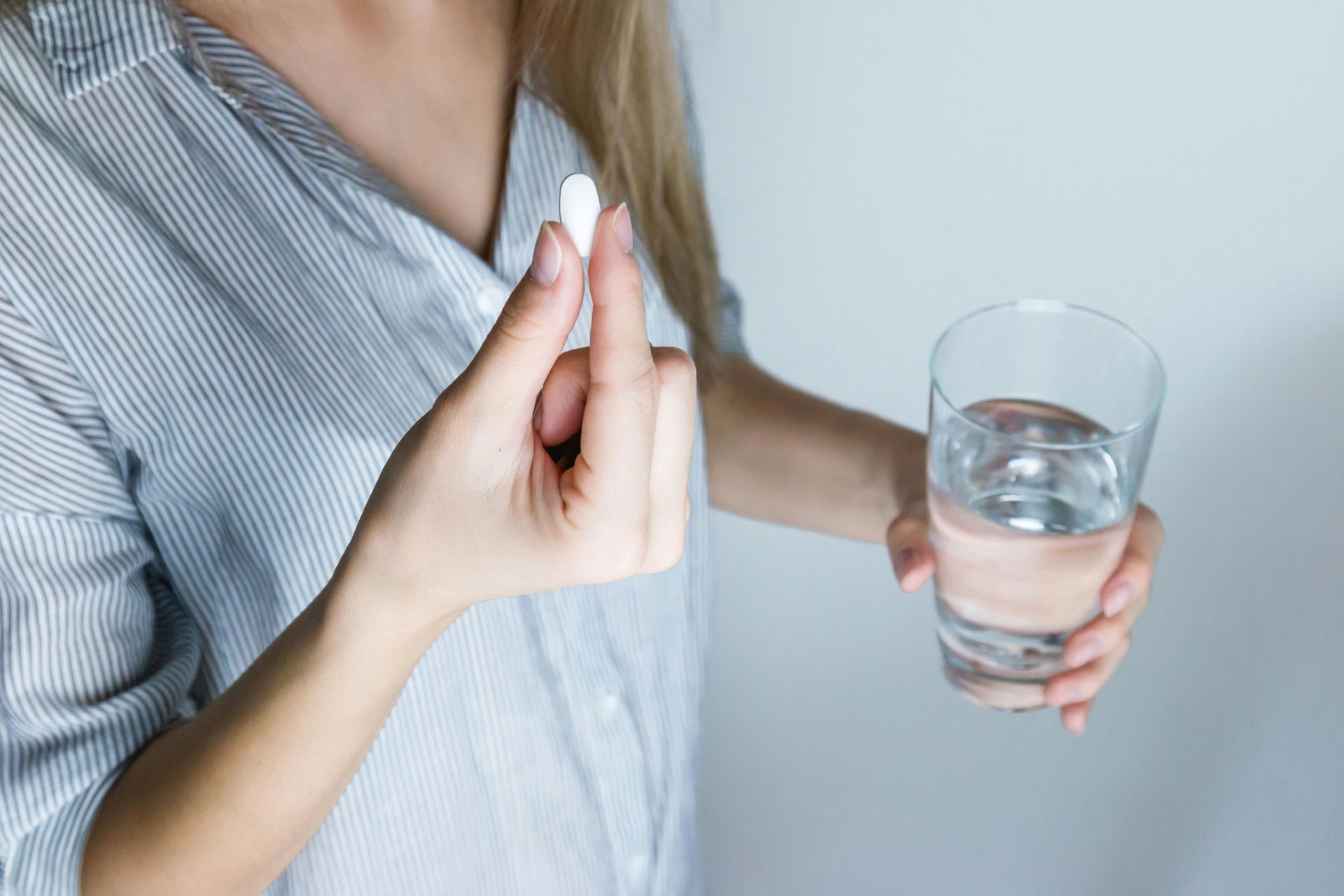
Lifestyle medicine practitioners including physicians and all other healthcare professionals must be aware of the impact of intensity and dosing of prescriptions in the six pillars. There can be a high or low intensity intervention offered by the LM practitioner. Then, there is the intensity of change dictated by the patient and the patient’s response to the intervention. The patient’s responsiveness to change and the coordination of the intervention to match this level of readiness to change will help patients move forward in their lifestyle journeys to adopt and sustain routine exercise, nutritious and delicious eating patterns, sound sleep, positive social connections, stress resiliency practices, and avoiding risky substances. When high dose interventions are implemented or high intensity change is experienced by the patient, it is important to factor in the fact that patients taking medications like antihypertensives, and diabetes medications may need prescription adjustments to accommodate their bodies’ responses to the healthy lifestyle changes. Sharing detailed descriptions of lifestyle medicine interventions in the research, in CME presentations, and in conversations will help LM practitioners to gain a better understanding of the specialty’s impact as well as help it to realize its full potential.
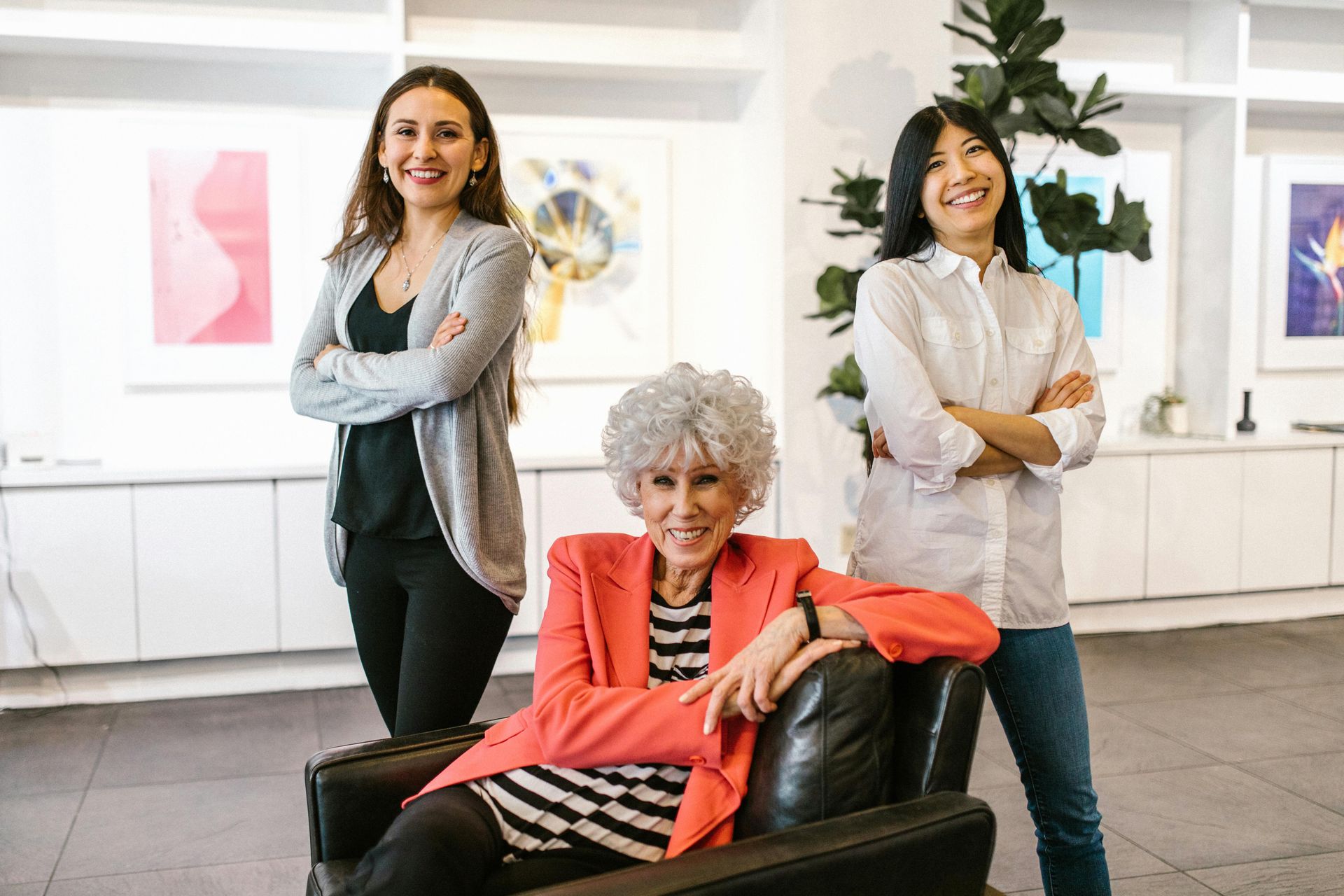
Surgeons have been under great pressure during the COVID pandemic. Their careers are filled with fast paced decisions, life and death situations, and long hours at work. The COVID pandemic created more tasks and even new responsibilities at times, but when the operating rooms were closed down, there was less work. The COVID experience invited the opportunity to rethink mentoring in the surgery department at the Massachusetts General Hospital. The leadership experimented with a new style of mentoring which involved a team approach. In addition, they tried something else that was new: adding a lifestyle medicine expert and wellness coach to the mentoring team. The program was tested on 13 early stage surgeons who found the experience to be beneficial, and they commented that they wished they had it even earlier in their careers. Including a non-surgeon who was a lifestyle medicine physician and wellness coach added an element of whole person health that was acceptable to the surgeons and even embraced as the majority of them elected to follow up with one on one coaching after the mentoring meeting. This team mentoring program with senior surgeons and a lifestyle medicine expert is one that can be explored by other departments and other hospitals given its success at the department of surgery at Massachusetts General Hospital.
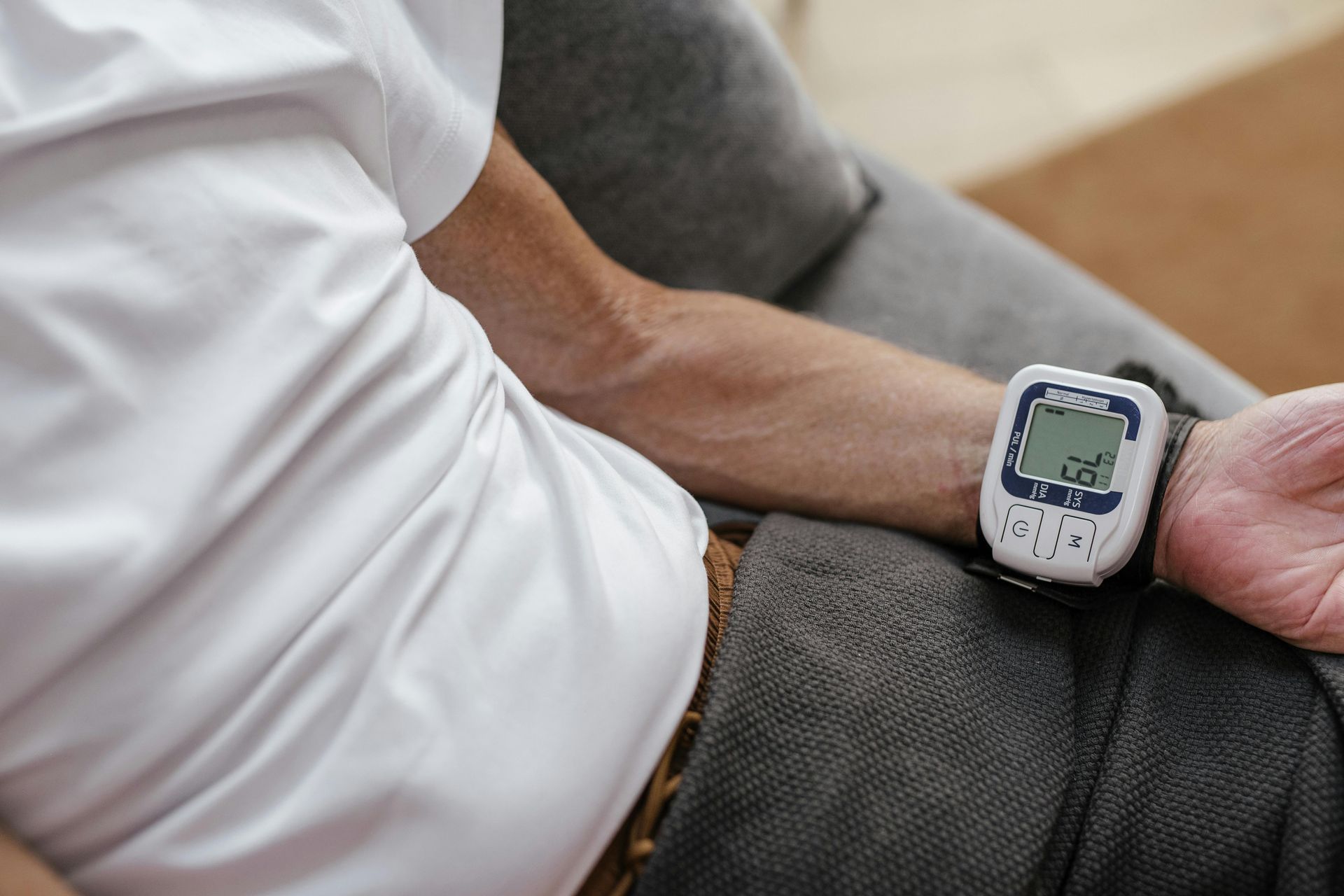
Comprehensive lifestyle medicine programs have begun to show efficacy in patients with cerebrovascular disease. The Veterans Affairs (VA) health care system has a large poststroke population and VA rehabilitation departments have significant expertise and resources for promoting healthy lifestyles. A 12-week clinical lifestyle medicine program was therefore implemented for poststroke patients, along with an optional observational study evaluating cardiovascular fitness, function, body composition, vitals, and quality of life before and after the program. Seventeen of 18 clinical patients elected to participate in the study, and 3 later withdrew. The 14 participants improved VO2 max by 1.94 mL O2/min/kg (P = .001, 95% CI 0.96-2.90). Significant improvements were seen in estimated metabolic equivalents, exercise duration, 6-minute walk test, 30-second sit to stand, grip strength, and balance. Among patients who were hypertensive at baseline, mean decrease in supine systolic blood pressure (SBP) was -9.70 mm Hg (n = 10, P = .005, 95% CI -15.7 to -3.7) and standing SBP was -11.09 mm Hg (n = 11, P = .009, 95% CI -18.7 to -3.48). There were no significant improvements in laboratory measures or body composition. Participant satisfaction was high. These findings corroborate recent literature suggesting that lifestyle programs improve stroke recovery and reduce recurrence risk.

The key to spreading lifestyle medicine is connection: connection with colleagues, connection with research, connection with CME, connection with students, and connection with community. The American College of Lifestyle Medicine (ACLM) is making it as easy as possible for you to introduce, develop, and incorporate lifestyle medicine programs in your academic institutions and hospital settings. One of the first opportunities to share is the free “Introduction to Lifestyle Medicine and Food is Medicine Essentials” CME/CE course bundle which provides 5.5 credits for physicians and health professionals. This Essentials bundle includes our “Introduction to Lifestyle Medicine,” “Food As Medicine: Nutrition for Prevention and Longevity,” and “Food As Medicine: Nutrition for Treatment and Risk Reduction” courses. By connecting with your colleagues and team members at your medical or healthcare professional schools and sharing this resource with them, you make friends and create opportunities to discuss the power of lifestyle and food and nutrition prescriptions. Sharing this resource in an email or as an announcement during Grand Rounds, division meetings, or presentations helps you to bring lifestyle medicine into the room and the conversation with your co-workers.
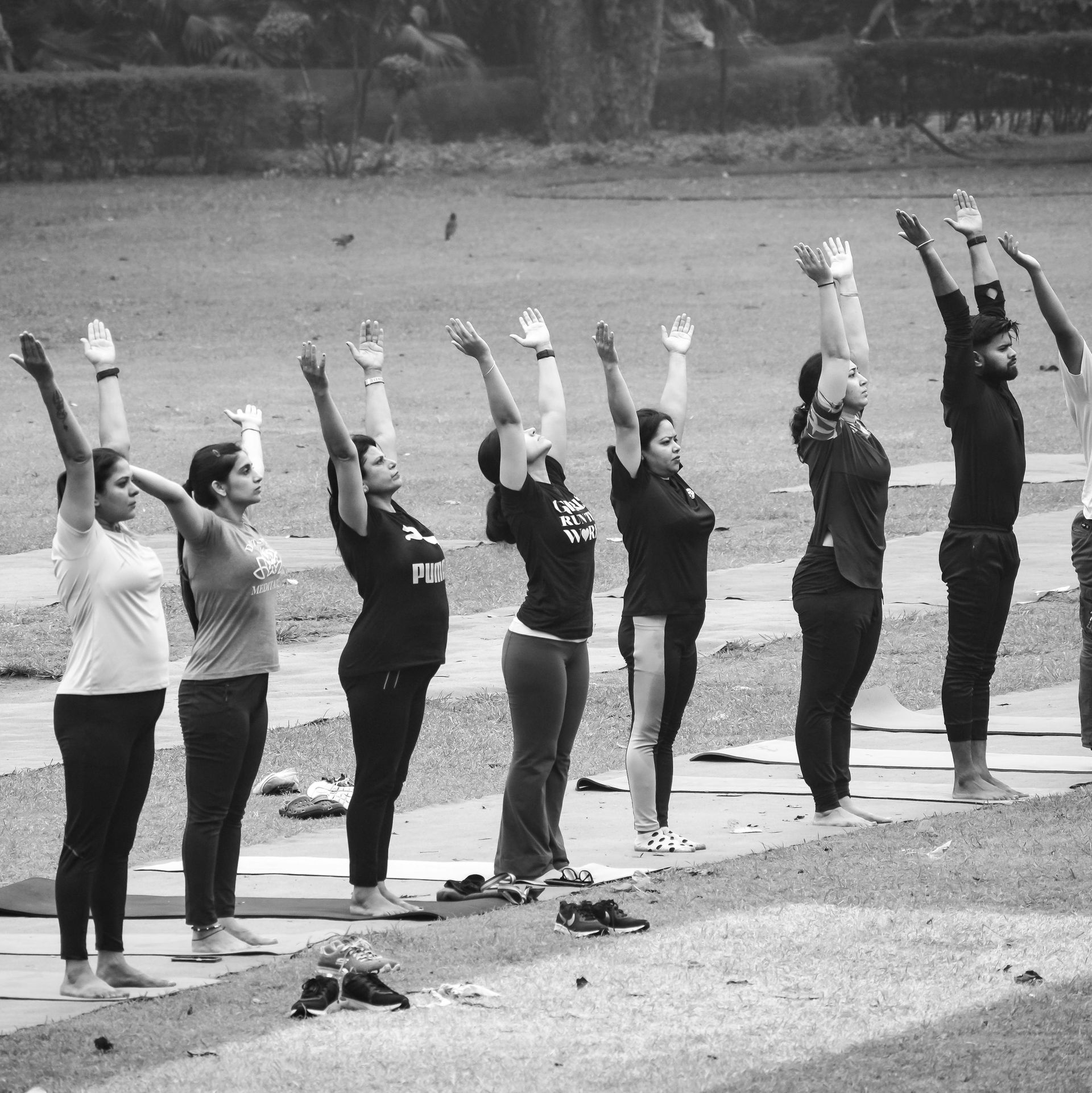
Lifestyle medicine group sessions present a promising approach to clinical care. Based on decades of work in shared medical appointments and group visits for diabetes and other chronic conditions, a lifestyle medicine group session has the potential to provide a fresh and rewarding way of interacting with patients that fuels the practitioner and feeds patients’ needs to spend time with the lifestyle medicine practitioner, connect with him or her, connect with others, learn the latest recommendations regarding healthy habits, practice these behaviors, and discuss their obstacles, motivations, and strategies for healthy living. The lifestyle medicine group session discussed in this article is a combination of group coaching, education, and group support.