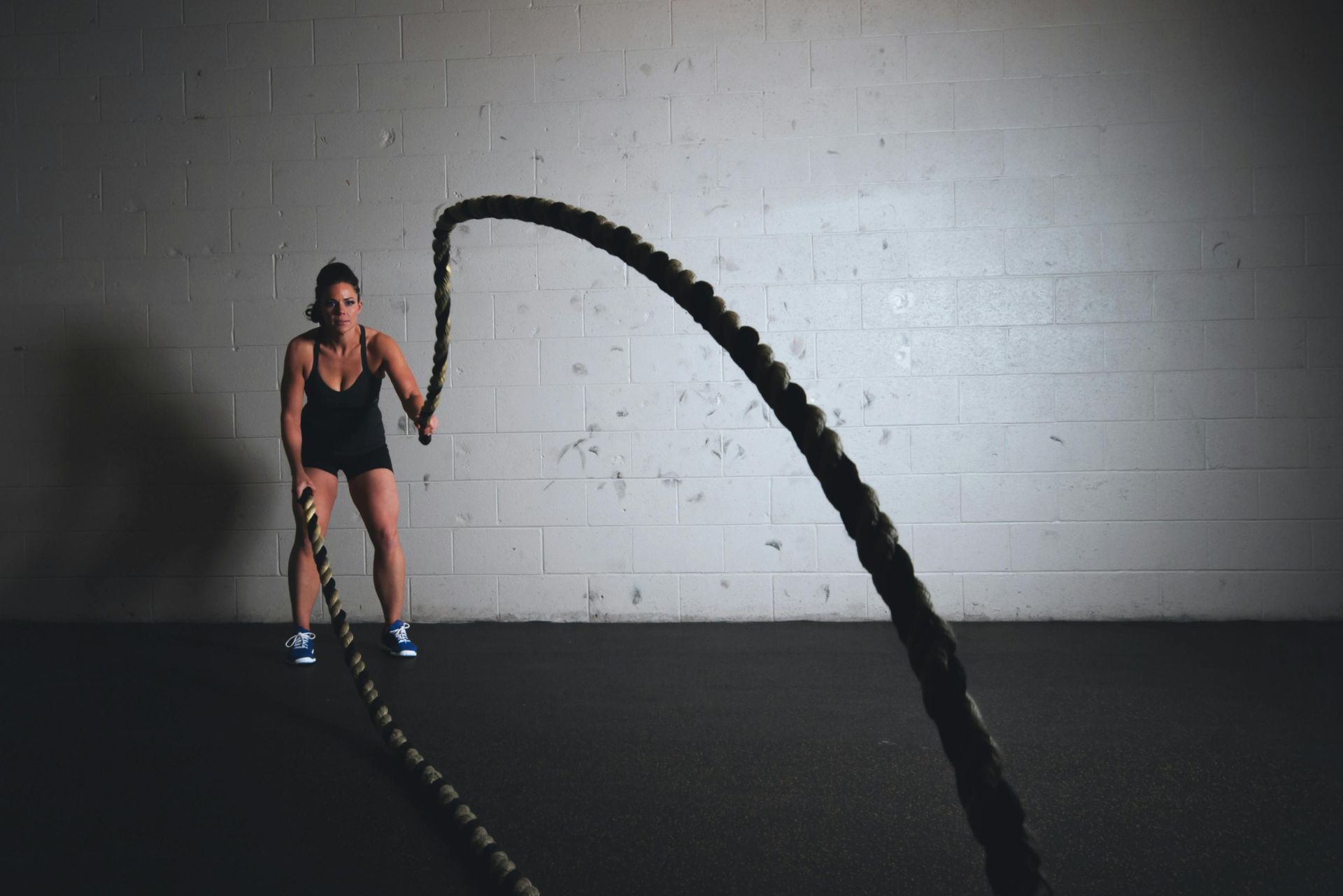
Objective: Regular physical activity can reduce the incidence and prevalence of many chronic diseases. A vast majority of Americans cite their physician as their primary source of information regarding healthy lifestyle decisions. This study was designed to obtain information about the personal exercise behavior and counseling practices of primary care physicians, to evaluate the relationship between their personal and professional exercise practices, and to determine whether physician specialty is associated with these practices. Design: A cross-sectional survey was mailed to a randomly selected sample of primary care physicians in the United States. A questionnaire was used to obtain detailed information on the personal exercise habits, counseling practices, and barriers to counseling of these physicians, regarding both aerobic exercise and strength training. Participants: 298 primary care physicians, comprising 84 family practitioners, 79 pediatricians, 58 geriatricians, and 77 internists. Main outcome measures: Frequency of physician exercise, exercise counseling, and relationship between these practices. Results: Physicians who perform aerobic exercise regularly are more likely to counsel their patients on the benefits of these exercises, as are physicians who perform strength training. Pediatricians and geriatricians counsel fewer patients about aerobic exercise than family practitioners and internists. Counseling regarding strength training is less common in all physician groups surveyed, and lowest among pediatricians, of whom 50% did not advise these exercises for any of their patients. Inadequate time was noted by 61% and inadequate knowledge and/or experience by 16% of respondents as the major barriers to counseling regarding aerobic exercise. Conclusion: Physicians who exercise are more likely to counsel their patients to exercise. Inadequate time and knowledge/experience regarding exercise are the most common barriers to counseling identified. These findings suggest strategies that might increase physician exercise counseling behavior.

Purpose : The purpose of this study was to develop and validate a scale to measure health behavior across the six pillars of lifestyle medicine: sleep, social connectedness, physical activity, nutrition, substance use, and stress management. A pilot study (n = 94) investigated the construct, convergent, and content validity and reliability of the Lifestyle Medicine Health Behavior (LMHB) scale. Based on the pilot study results and literature, the scale was revised for further psychometric evaluation. Methods. A sample (n = 399) of participants completed the LMHB scale. Confirmatory factor analysis was used to assess construct validity. Face validity was assessed using qualitative feedback. Reliability was assessed using Cronbach's alpha. Results. The final model included five latent dimensions and one observed to represent each of the distinct pillars in lifestyle medicine. The open-ended response item elicited preponderance of positive feedback (∼80%); the scale was perceived as easy to understand and complete. Overall, the scale was reliable (α = 0.84). Conclusion. The LMHB scale assesses health behaviors across all six lifestyle medicine pillars, addressing each one systematically and individually. The scale had sufficient validity and reliability to measure health behaviors in this sample of adults. This is the first lifestyle medicine survey instrument to evaluate content, face, and construct validity and reliability.
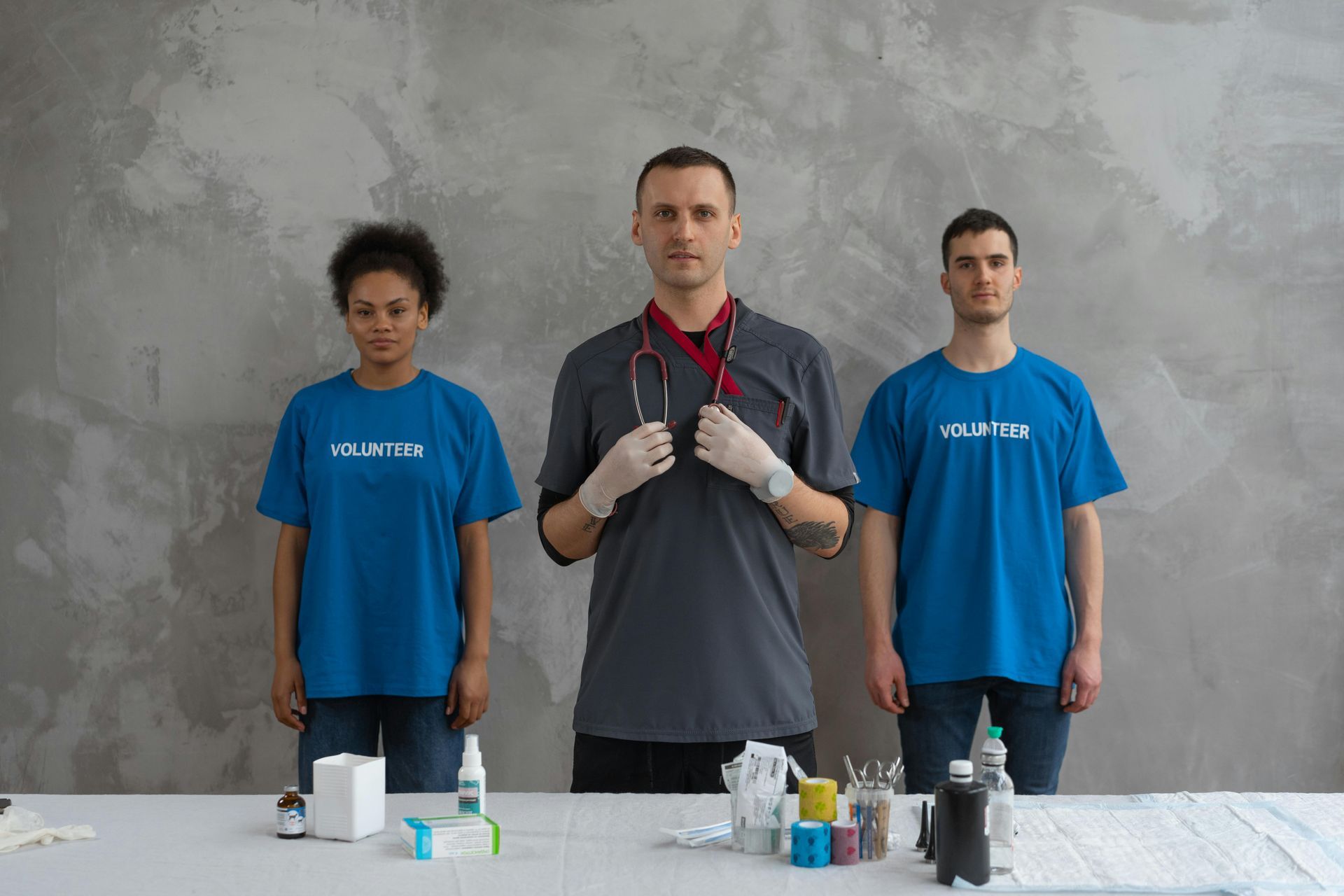
Group-based lifestyle medicine programs present a promising path to preventing and managing chronic diseases and supporting patient wellbeing. Establishing effective implementation strategies can enhance the scalability of comprehensive lifestyle medicine programs in practice. This convergent mixed methods study aimed to investigate the role of the program deliverer in the feasibility and effectiveness of a group-based program: PAVING the Path to Wellness. Semi-structured qualitative interviews were used to explore differences in perceived feasibility between physician and non-physician practitioners (e.g., allied health professionals) trained to deliver the program. Mixed linear models assessed differences in program effectiveness by type of healthcare practitioner (physician and non-physician practitioner) using the Lifestyle Medicine Health Behavior scale as a pre-/post-measure of self-reported health behaviors (nutrition, physical activity, sleep, social connection, stress, and avoidance of risky substances). Qualitative results supported that the PAVING program was feasible to implement, but that overall feasibility was greatly influenced by billing capabilities and practitioner experience. Quantitative results revealed that the program’s impact differed significantly based on the type of healthcare practitioner; participants in non-physician-led groups saw more improvement in health behaviors following the program. Data integration revealed that training and experience in lifestyle medicine and administrative infrastructure (e.g., billing, recruitment) are crucial to program effectiveness. This study has important implications for practice, including the need to scale practice-based training, promote policies for reimbursing preventive care, and build the administrative infrastructure required to support lifestyle medicine group visits.
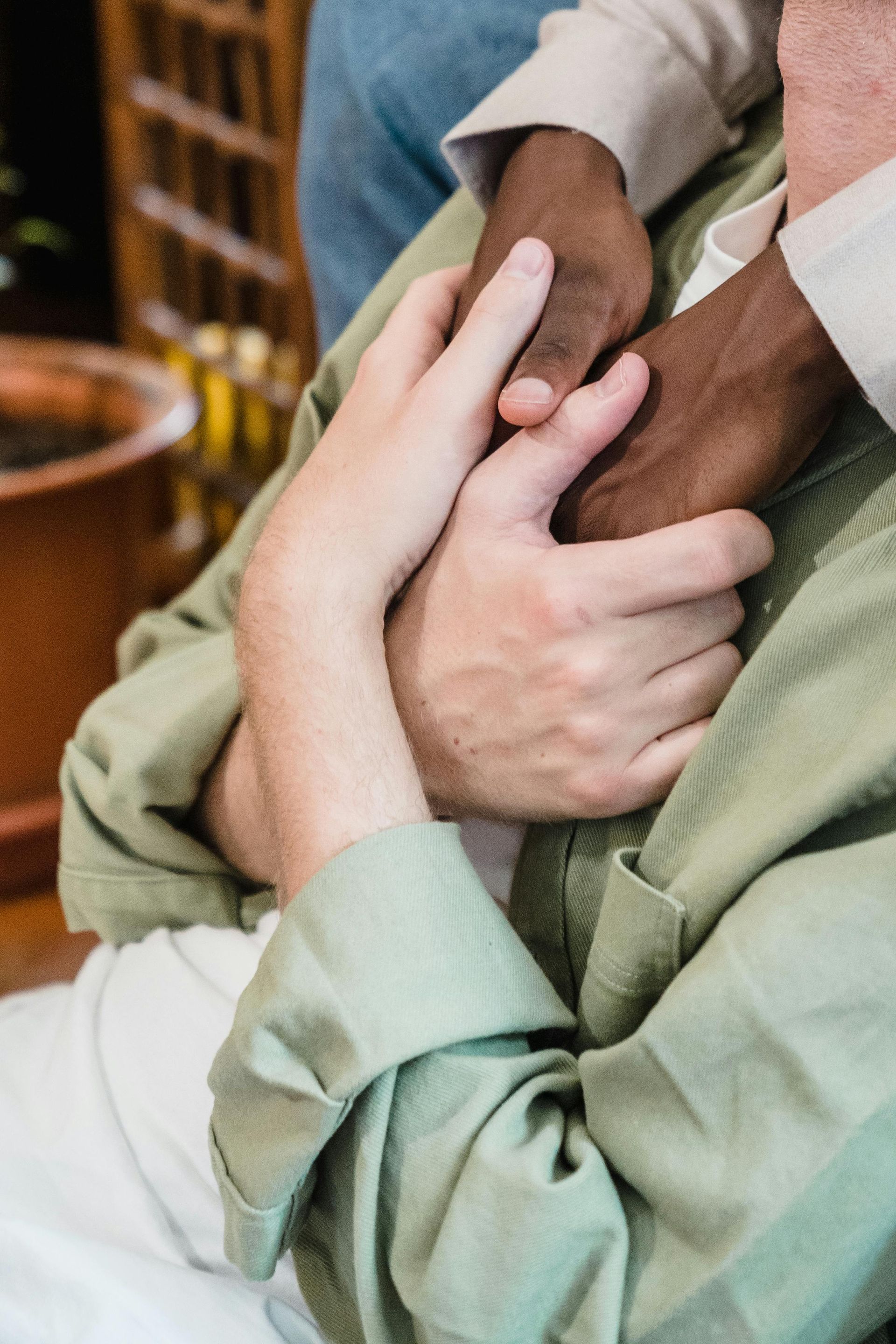
Background: Stroke is the leading cause of disability and the second-most leading cause of mortality. Stroke has both physical and psychological impact on the lives of stroke survivors. Lifestyle modifications have a pivotal role in post-stroke management care. The Paving the Path to Wellness Program (PPWP) is a 12-week program offered to stroke survivors at Spaulding Rehabilitation Center following discharge. The program encompasses the following domains: physical activity, nutrition, stress management, time-outs, energy, sleep, purpose, and social connections. Objective: The purpose of this pilot study was to evaluate the effectiveness of the PPWP on the recovery of stroke survivors. Methods: Three stroke survivors who participated in the program were interviewed following completion of the program. Results: The results showed the PPWP had a positive impact on physical health (e.g., increased physical activity, weight loss, nutrition awareness, and better stress management); helped to create a new purpose (e.g., happiness, satisfaction, and well-being); and improved the social life of the participants (better awareness and importance of friends and family). Conclusions: Next steps are to study this program in a larger stroke population and examine long-term effects.

There are over 3.5 million breast cancer survivors living in the United States. Key elements of breast cancer survivorship care include monitoring for disease recurrence, addressing medical and psychosocial consequences of treatment, and educating about lifestyle interventions which decrease risk of recurrence, improve quality of life, and improve outcome. We have developed the PAVING the Path to Wellness Program for Breast Cancer Survivors in order to provide education on evidence-based topics from lifestyle medicine, with the goal to help women adopt healthy habits and improve well-being after cancer treatment. The 12-week program includes all 6 pillars of lifestyle medicine, as well as positive psychology, gratitude, and goal setting work. The PAVING the Path to Wellness Program for Breast Cancer Survivors empowers breast cancer survivors with knowledge regarding evidence-based lifestyle recommendations and helps them achieve an improved sense of well-being following treatment. On completion of the program, participants specifically reported an improvement in attitude and well-being. Next steps involve developing a strategy to offer this program to a larger group of cancer survivors.