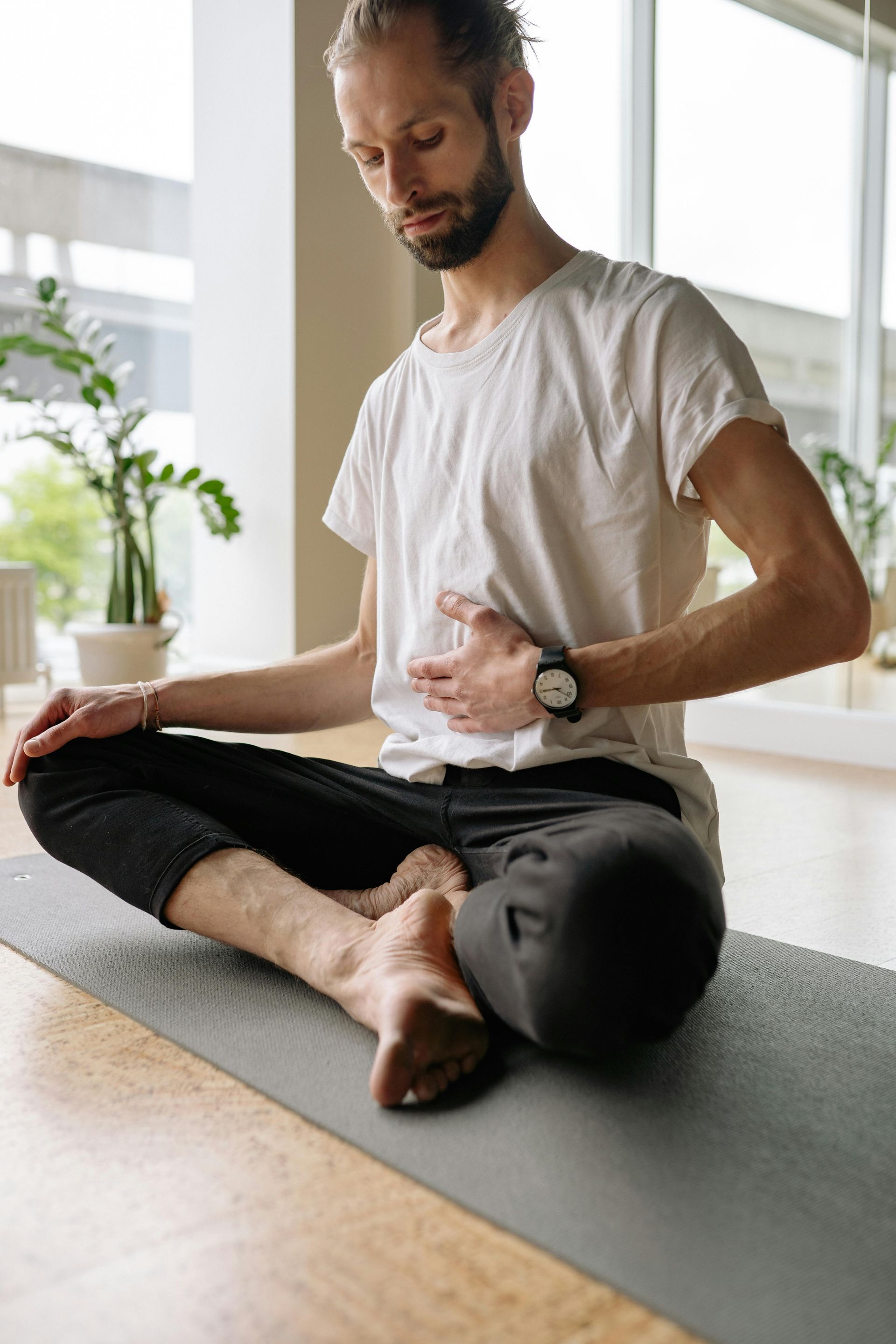

Lifestyle medicine practitioners including physicians and all other healthcare professionals must be aware of the impact of intensity and dosing of prescriptions in the six pillars. There can be a high or low intensity intervention offered by the LM practitioner. Then, there is the intensity of change dictated by the patient and the patient’s response to the intervention. The patient’s responsiveness to change and the coordination of the intervention to match this level of readiness to change will help patients move forward in their lifestyle journeys to adopt and sustain routine exercise, nutritious and delicious eating patterns, sound sleep, positive social connections, stress resiliency practices, and avoiding risky substances. When high dose interventions are implemented or high intensity change is experienced by the patient, it is important to factor in the fact that patients taking medications like antihypertensives, and diabetes medications may need prescription adjustments to accommodate their bodies’ responses to the healthy lifestyle changes. Sharing detailed descriptions of lifestyle medicine interventions in the research, in CME presentations, and in conversations will help LM practitioners to gain a better understanding of the specialty’s impact as well as help it to realize its full potential.
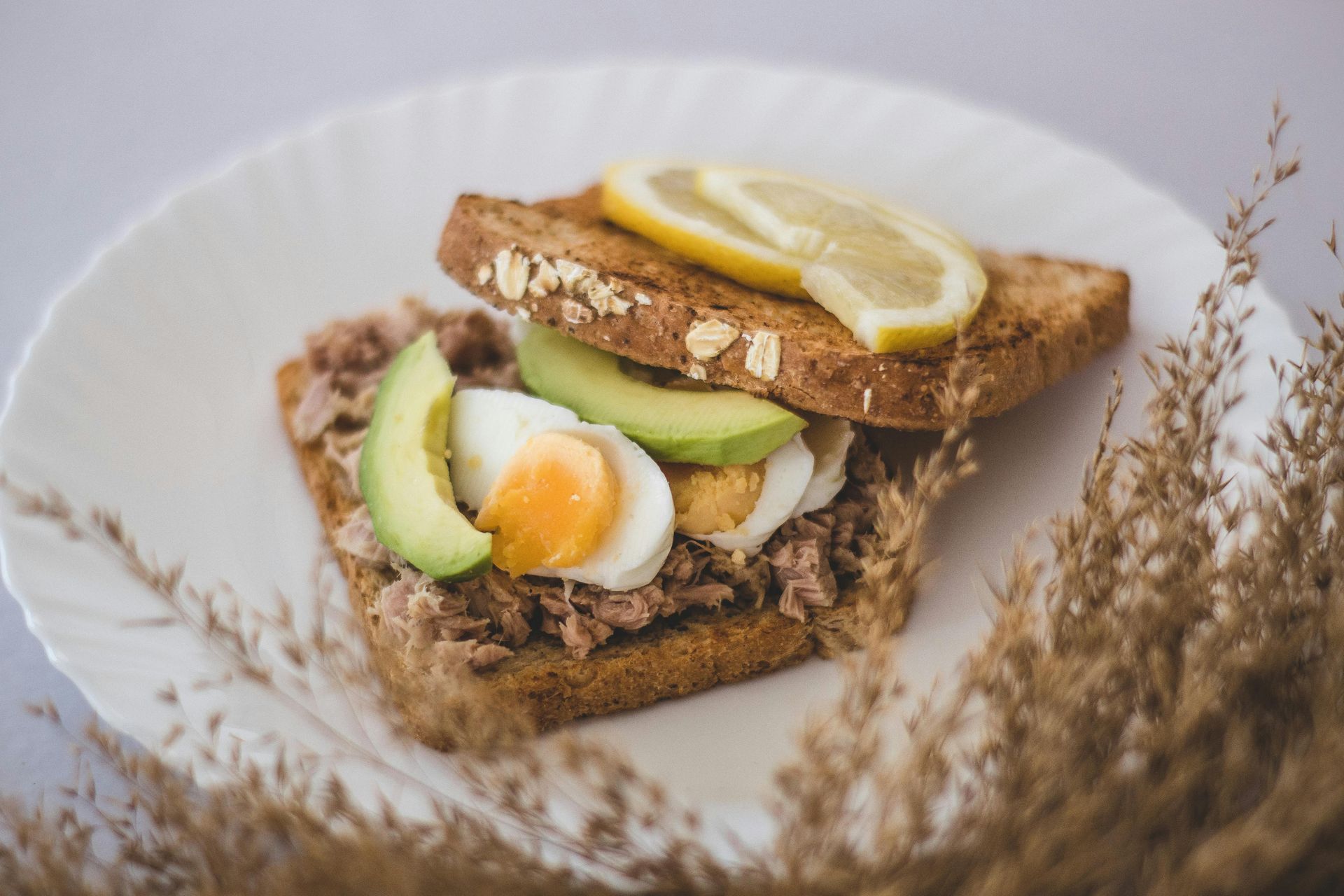
Purpose of review: The current article will highlight recent trends and novel approaches to behavior change strategies in nutrition. Physicians, nurses, and other healthcare professionals play key roles in counseling patients on lifestyle change, which is critical for patients with chronic conditions. Nutrition science continues to advance, and new approaches to behavior change are needed for successful implementation at the individual and population level. Recent findings: The solutions to obstacles around healthful eating patterns are varied, population-dependent, and require a multipronged approach. One area of focus is the language around behavior change, ensuring it is clear and emphasizes its multifactorial nature. For young adults, the careful use of video games and social media may be essential. For older adults, altering food consistency and ensuring proper nutrient intake are crucial factors. Vulnerable populations remain susceptible to malnutrition and need special attention. Despite significant advances in managing and treating diseases, there are still gaps in nutrition counseling and behavior change efforts. Summary: Every age and stage of life needs a focus on healthful foods, and nutrition counseling at each stage has its unique nuances. Careful attention to the language of change and the phrasing used in counseling is vital for educating, connecting with, and empowering patients to change. Changing healthcare operations and provider behavior around nutrition counseling is a part of the solution to the worldwide problem of unhealthy eating patterns and practices.

Medical Students experience high levels of stress throughout their four years. When the COVID-19 pandemic exacerbated this, there was a need for programming and this created an opportunity to provide a whole person, lifestyle medicine approach to enhance medical student wellbeing. Methods. Two student leaders and one faculty member created a 12-week program that addressed the 6 pillars of lifestyle medicine as well as positive psychology. The program was offered to all first year students, and within 12 hours the roster was full with 15 students. The program was held weekly by Zoom for 1-2 hours. Results. Attendance was high each week with full participation from everyone present. In the post program evaluation form, conducted one year after completion of the program, 100% of respondents reported they would recommend this group to another medical student, 71% reported they used tools learned from the group at least weekly. Participants noted that growth mindset, gratitude, mindfulness, priorities, and relationship building were the most used well-being strategies learned in the program. Conclusion. An intervention that is based on the 6 pillars of lifestyle medicine and positive psychology and presented by Zoom is feasible in medical school and well accepted by medical students.
Lifestyle medicine practitioners including physicians and all other healthcare professionals must be aware of the impact of intensity and dosing of prescriptions in the six pillars. There can be a high or low intensity intervention offered by the LM practitioner. Then, there is the intensity of change dictated by the patient and the patient’s response to the intervention. The patient’s responsiveness to change and the coordination of the intervention to match this level of readiness to change will help patients move forward in their lifestyle journeys to adopt and sustain routine exercise, nutritious and delicious eating patterns, sound sleep, positive social connections, stress resiliency practices, and avoiding risky substances. When high dose interventions are implemented or high intensity change is experienced by the patient, it is important to factor in the fact that patients taking medications like antihypertensives, and diabetes medications may need prescription adjustments to accommodate their bodies’ responses to the healthy lifestyle changes. Sharing detailed descriptions of lifestyle medicine interventions in the research, in CME presentations, and in conversations will help LM practitioners to gain a better understanding of the specialty’s impact as well as help it to realize its full potential.
Purpose of review: The current article will highlight recent trends and novel approaches to behavior change strategies in nutrition. Physicians, nurses, and other healthcare professionals play key roles in counseling patients on lifestyle change, which is critical for patients with chronic conditions. Nutrition science continues to advance, and new approaches to behavior change are needed for successful implementation at the individual and population level. Recent findings: The solutions to obstacles around healthful eating patterns are varied, population-dependent, and require a multipronged approach. One area of focus is the language around behavior change, ensuring it is clear and emphasizes its multifactorial nature. For young adults, the careful use of video games and social media may be essential. For older adults, altering food consistency and ensuring proper nutrient intake are crucial factors. Vulnerable populations remain susceptible to malnutrition and need special attention. Despite significant advances in managing and treating diseases, there are still gaps in nutrition counseling and behavior change efforts. Summary: Every age and stage of life needs a focus on healthful foods, and nutrition counseling at each stage has its unique nuances. Careful attention to the language of change and the phrasing used in counseling is vital for educating, connecting with, and empowering patients to change. Changing healthcare operations and provider behavior around nutrition counseling is a part of the solution to the worldwide problem of unhealthy eating patterns and practices.
Medical Students experience high levels of stress throughout their four years. When the COVID-19 pandemic exacerbated this, there was a need for programming and this created an opportunity to provide a whole person, lifestyle medicine approach to enhance medical student wellbeing. Methods. Two student leaders and one faculty member created a 12-week program that addressed the 6 pillars of lifestyle medicine as well as positive psychology. The program was offered to all first year students, and within 12 hours the roster was full with 15 students. The program was held weekly by Zoom for 1-2 hours. Results. Attendance was high each week with full participation from everyone present. In the post program evaluation form, conducted one year after completion of the program, 100% of respondents reported they would recommend this group to another medical student, 71% reported they used tools learned from the group at least weekly. Participants noted that growth mindset, gratitude, mindfulness, priorities, and relationship building were the most used well-being strategies learned in the program. Conclusion. An intervention that is based on the 6 pillars of lifestyle medicine and positive psychology and presented by Zoom is feasible in medical school and well accepted by medical students.